
ML Intensive for TLF
Lecture 1. Python Refresher
Alex Avdiushenko
August 17, 2026
Main Goals of the Intensive
- To understand deeply basic concepts of machine learning and neural networks
- To implement AI models using Python and PyTorch
- To be useful for the international IOAI Olympiad (https://ioai-official.org/)
- To take the first step, after which you can continue self-study
Homework every day is optional, and also we will share some additional materials 👍
Instructors
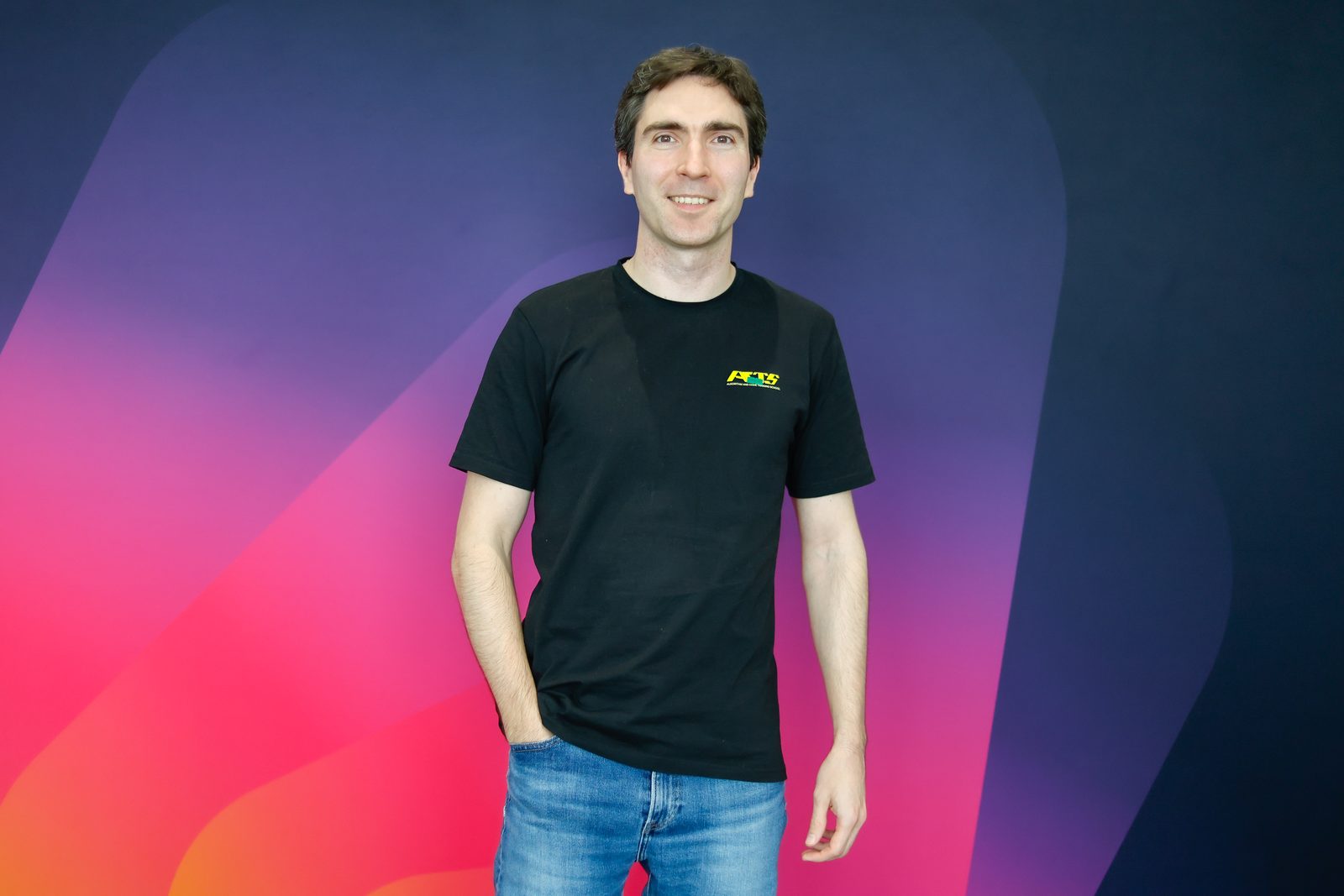
Alex Avdiushenko
Lecturer, Researcher and Data Scientist with 10+ years of experience in data science, analysis, and educational programs for the tech industry. I worked as a researcher at the academy, an analyst at Yandex and a lecturer at leading universities in Russia and the world. Now I am a lecturer and researcher at JetBrains.

Mike Romanov
PhD in Scientific Computing with research contributions in computer vision and generative modeling (CVPR, IROS, h-index 8, 260 citations). Senior Deep Learning Engineer with production experience in diffusion models and large-scale generative systems. Sixteen years of university-level teaching in mathematics and machine learning.
Python Language IS
- easy to start using
- free and open source
- (almost) portable
- high-level
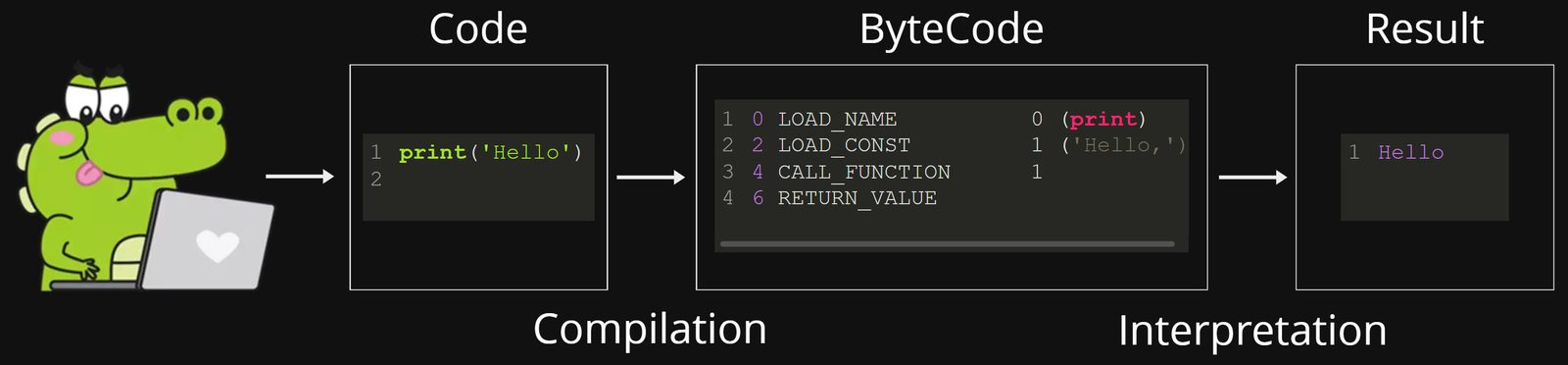
- interpreted, not compiled
- well suited for REPL = Read Eval Print Loop
First example of Python code
Another Example
Writing in Python is like writing pseudocode. Suppose you know, that
\[ e^x=\sum_{k=0}^\infty \frac{1}{k!}x^k = 1 + x + \frac{x^2}{2!} + \dots \]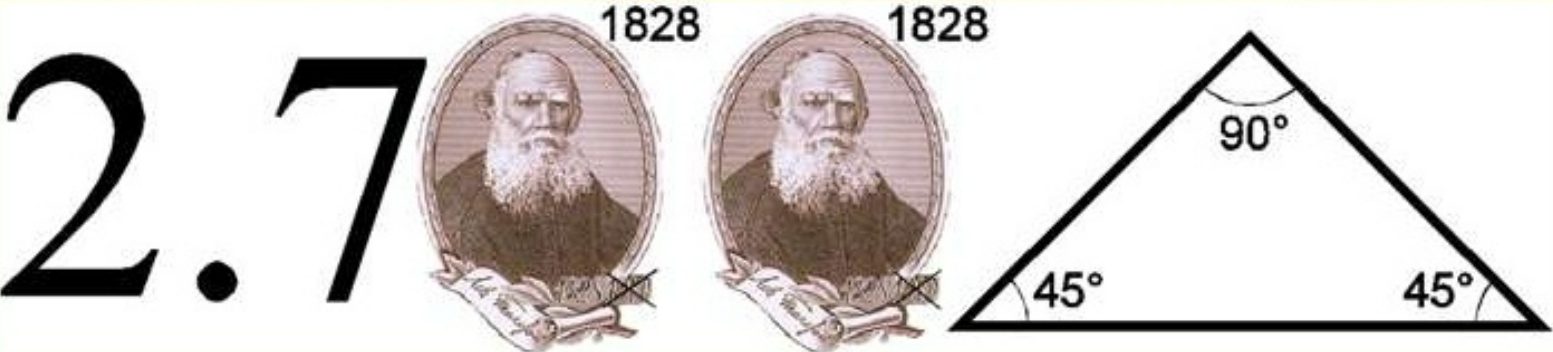
A few tasks to solve (10-15 min)
Everything in Python is an object
Every object has:
- id — where it's located (~memory address)
- type — a set of values and operations on these values
- value — the actual value
Size of INT in Python language
What do you think, how much memory INT takes?
- In general, 1 bit represents only two values (it's 0 or 1)
- 1 byte = 8 bits, and this already represents integers from 0 to 255 or from -127 to 127
Can it be depending on the platform:
- 4 bytes (32 bits) or
- 8 bytes (64 bits)?
Why so much and not the same?
Cpython open source realization:
									struct _longobject {
										// macros with
										// 1. the object’s reference counter (8 bytes)
										// 2. and a pointer to the corresponding type object (8 bytes)
										// 3. and extension field ob_size (8 bytes)
										PyObject_VAR_HEAD
										// int value adds 0, 4 (32x) or 8 bytes (64x)
										// SUM(for i=0 through abs(ob_size)-1) ob_digit[i] * 2**(SHIFT*i)
										digit ob_digit[1];
									};
DEMO: tools for programming and studying Python
- Install PyCharm IDE
- Quick start guide, need to specify a Python interpreter
- Download JetBrains Academy plugin
- All the assignments and deadlines can be found on the ML Intesive for TML
- Homework 1: If you are not familiar with Python, then go through py section 26 tasks here in browser or in PyCharm ❤️